

German
German Sauerbraten
Three-day marinated beef that transforms tough cuts into silky, tangy perfection—Germany's lesson in patience and the magic of controlled fermentation
July 24, 2024
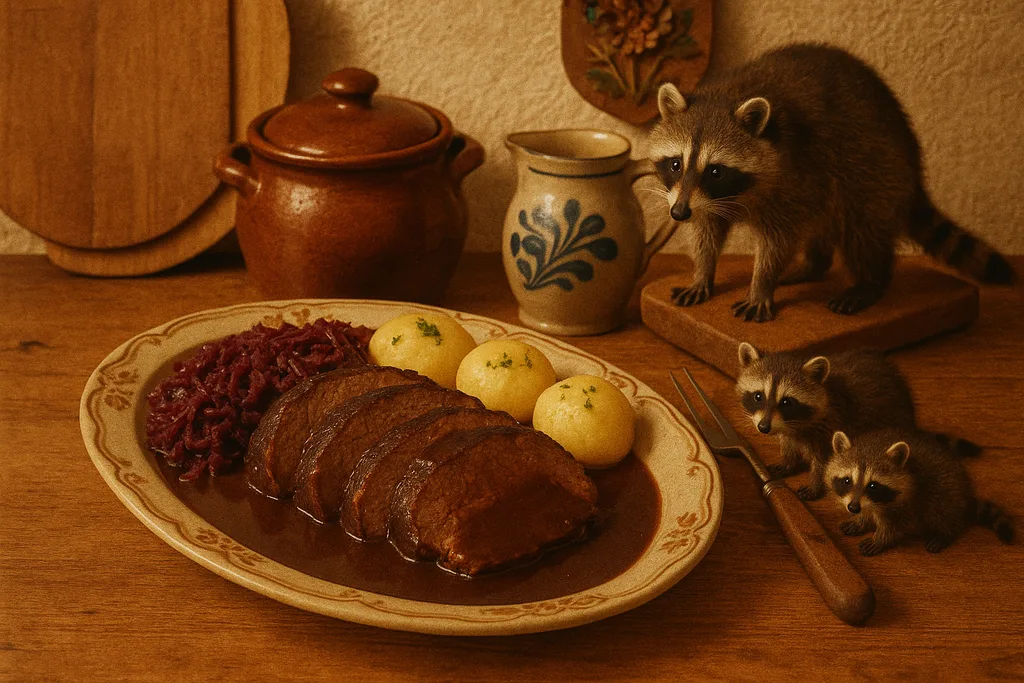
Sauerbraten teaches the German virtue of patience made edible. This isn't quick cooking—it's a three-day commitment that transforms tough cuts of beef into something tender enough to cut with a fork while developing flavors complex enough to make you understand why Germans have been making this dish for over 1,000 years.
The magic happens in the marinade, where vinegar and wine create an acidic environment that both tenderizes the meat and begins a controlled fermentation process. What emerges after days of marinating and hours of slow braising is pot roast elevated to an art form—tangy, rich, and utterly satisfying.
Ingredients
For the meat:
🥩 4-5 pounds beef chuck roast or bottom round
🧂 2 tablespoons salt
🌶️ 1 tablespoon black pepper
For the marinade:
🍶 2 cups red wine vinegar
🍷 1 cup dry red wine
💧 2 cups water
🧅 2 large onions, sliced
🥕 2 large carrots, sliced
🌿 2 bay leaves
🌿 10 whole cloves
🌿 1 tablespoon juniper berries (optional but traditional)
🌿 6 black peppercorns
🧄 4 cloves garlic, crushed
🍯 2 tablespoons brown sugar
For braising:
🫒 3 tablespoons vegetable oil
🧈 3 tablespoons butter
🌾 3 tablespoons all-purpose flour
🍯 2 tablespoons brown sugar
🧂 Salt and pepper to taste
🍪 6-8 gingersnap cookies, crushed (traditional thickener)
Instructions
Season and prepare the roast. Pat the beef completely dry and season generously with salt and pepper on all sides. Place in a non-reactive container (glass or ceramic) just large enough to hold it.
Make the marinade. In a large saucepan, combine vinegar, red wine, water, sliced onions, carrots, bay leaves, cloves, juniper berries, peppercorns, garlic, and brown sugar. Bring to a boil, then reduce heat and simmer for 10 minutes. Cool completely to room temperature.
Begin the marination. Pour the cooled marinade over the beef, making sure it's completely submerged. Cover tightly and refrigerate for 3-4 days, turning the roast once daily. The meat will develop a greyish color—this is normal and expected.
Remove and strain. Remove the beef from marinade and pat dry. Strain the marinade, reserving both the liquid and the vegetables separately. The meat should smell tangy and wine-like.
Sear for flavor. Heat oil in a large Dutch oven over medium-high heat. Sear the roast on all sides until well-browned, about 8-10 minutes total. Remove and set aside.
Build the braising base. In the same pot, add butter and sauté the reserved marinated vegetables until softened, about 5 minutes. Sprinkle with flour and cook, stirring, for 2 minutes.
Deglaze and braise. Gradually add 3 cups of the reserved marinade liquid, stirring to prevent lumps. Add brown sugar and bring to a simmer. Return the beef to the pot—liquid should come about halfway up the sides.
Low and slow cooking. Cover and cook in a 325°F oven for 2.5-3 hours, turning the roast once halfway through. The meat is done when it's fork-tender and shreds easily.
Finish the sauce. Remove the roast and keep warm. Strain the braising liquid and return to the pot. Stir in crushed gingersnap cookies and simmer until thickened to gravy consistency, about 10 minutes. Season with salt and pepper.
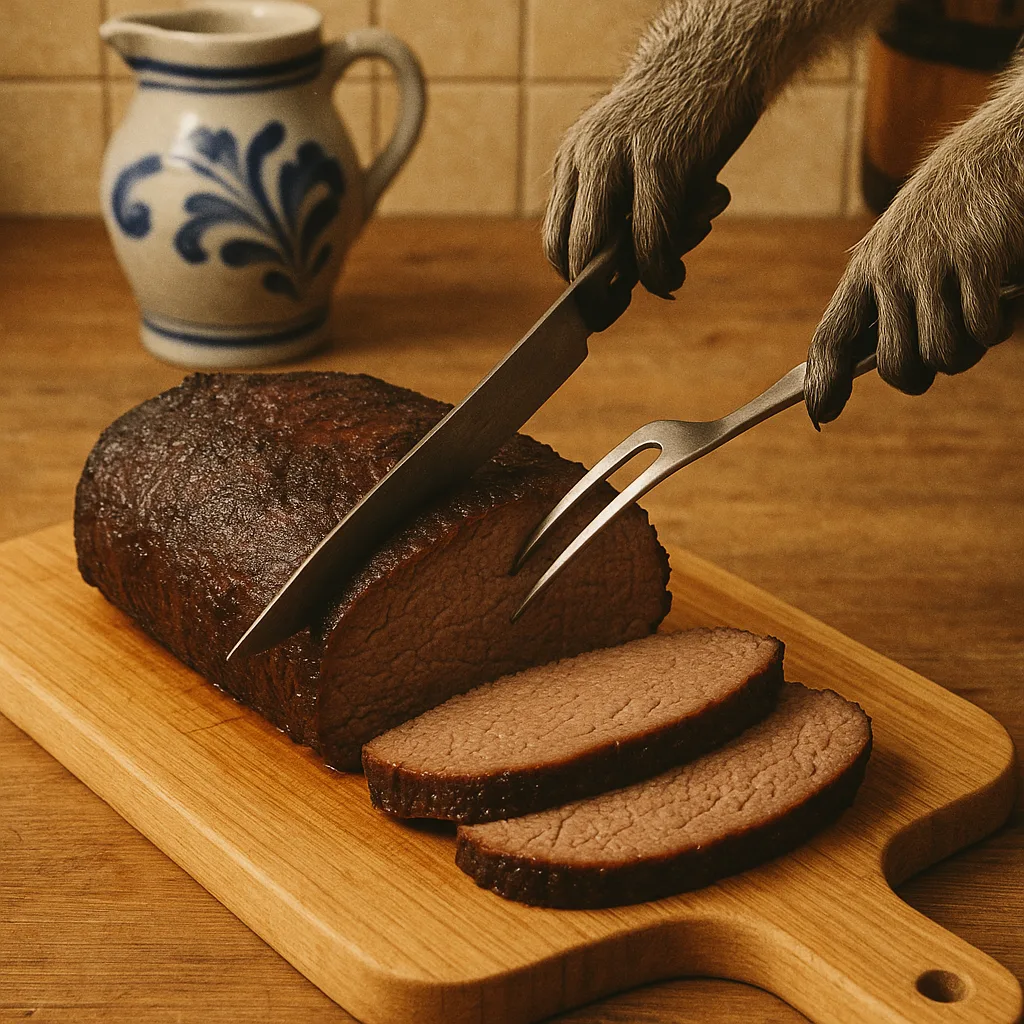
Rest and serve. Let the roast rest for 10 minutes before slicing against the grain. Serve with the gingersnap-thickened gravy.
Sauerbraten Timeline (4 Days)
gantt
    title German Sauerbraten Process
    dateFormat DD HH:mm

    section Day 1
    Season Beef              :done, d1a, 01 00:00, 15m
    Make Marinade            :done, d1b, 01 00:15, 30m
    Cool Marinade            :done, d1c, 01 00:45, 45m
    Pour Over Beef           :done, d1d, 01 01:30, 10m
    Begin Marination         :done, d1e, 01 01:40, 3d

    section Days 2-3
    Turn Daily               :done, d2a, 02 12:00, 10m
    Continue Marinating      :done, d2b, 02 12:10, 1d
    Turn Again               :done, d3a, 03 12:00, 10m

    section Day 4
    Remove & Pat Dry         :done, d4a, 04 12:00, 10m
    Sear Beef                :done, d4b, 04 12:10, 10m
    Sauté Vegetables         :done, d4c, 04 12:20, 10m
    Braise in Oven           :done, d4d, 04 12:30, 3h
    Finish Sauce             :done, d4e, 04 15:30, 20m
    Rest & Serve             :done, d4f, 04 15:50, 10m
flowchart TD
    subgraph Marinate["3-4 Day Marination"]
        A[Season Beef<br/>Salt & Pepper]
        B[Make Marinade<br/>Vinegar, Wine, Spices]
        C[Cool Completely]
        D[Submerge Beef<br/>Turn Daily]
        E[Develops Grey<br/>Color - Normal]
    end

    subgraph Cook["Cooking Day"]
        F[Pat Dry<br/>Thoroughly]
        G[Sear All Sides<br/>8-10 min]
        H[Sauté Reserved<br/>Vegetables]
        I[Add Flour<br/>Cook 2 min]
        J[Add Marinade<br/>Liquid]
    end

    subgraph Braise["Slow Braise"]
        K[325°F Oven<br/>2.5-3 hours]
        L[Turn Once<br/>Halfway]
        M[Fork Tender<br/>Test]
    end

    subgraph Sauce["Finish"]
        N[Strain Liquid]
        O[Add Gingersnaps<br/>Simmer 10 min]
        P[Rest Meat<br/>10 min]
        Q[Slice & Serve<br/>with Gravy]
    end

    A --> B
    B --> C
    C --> D
    D --> E
    E --> F
    F --> G
    G --> H
    H --> I
    I --> J
    J --> K
    K --> L
    L --> M
    M --> N
    N --> O
    O --> P
    P --> Q

    style D fill:#868E96
    style G fill:#FF6B6B
    style K fill:#868E96
    style O fill:#69DB7C
Technique Notes
The marinade should be completely cool before adding to the meat—hot marinade will partially cook the exterior and affect texture.
Don't skip the searing step after marinating. It adds crucial flavor and color to the final dish.
Gingersnap cookies are traditional for thickening and add a subtle sweetness that balances the tangy marinade.
Marination Science
The acid in the marinade breaks down tough muscle fibers while the wine adds complexity. The long marination period allows these processes to work deeply into the meat.
Juniper berries add a subtle pine-like flavor that's traditional in German cooking. If unavailable, the dish is still excellent without them.
Traditional Accompaniments
Sauerbraten is traditionally served with spätzle, potato dumplings, or mashed potatoes to soak up the rich gravy.
Red cabbage and apple compote provide acidic contrast that complements the tangy meat perfectly.
A simple green salad helps cut through the richness of this substantial dish.
Storage & Make-Ahead
The marinated raw beef keeps for up to 5 days in the refrigerator—longer marination actually improves flavor.
Cooked sauerbraten improves with time and can be refrigerated for up to 4 days or frozen for 3 months.
Reheat gently in the gravy to prevent the meat from drying out.
Regional Variations
Rhineland sauerbraten uses raisins and sometimes pumpernickel bread in the sauce.
Swabian versions might include root vegetables in the marinade.
Some recipes use white wine vinegar instead of red wine vinegar for a milder flavor.
Remix Ideas
Wild game version: Use venison roast for a more traditional German hunting preparation.
Modern technique: Try sous vide cooking after marinating for ultra-precise temperature control.
Sauce variations: Some cooks add sour cream to the finished sauce for extra richness.
Holiday spicing: Add cinnamon and allspice to the marinade for Christmas-spiced version.
Perfect sauerbraten should make you understand why German cuisine values patience and precision. The three-day process creates flavors that simply cannot be rushed, while the slow braising ensures tenderness that makes tough cuts luxurious. It's German cooking at its most traditional—honoring old techniques that turn simple ingredients into something memorable through time, care, and the understanding that some dishes are worth waiting for.
You might also like
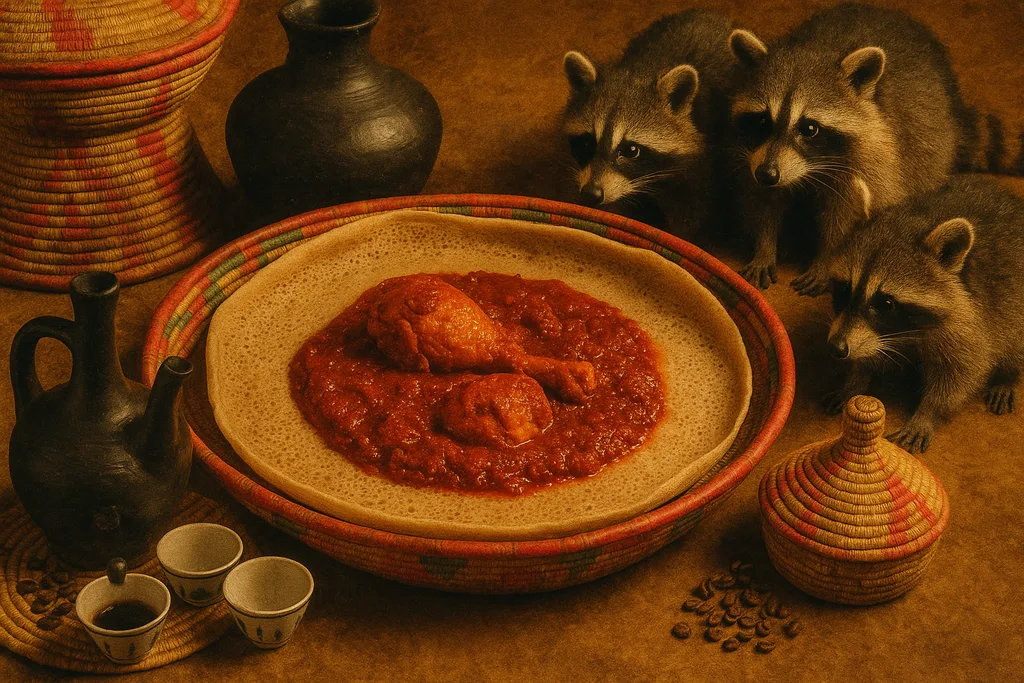
Ethiopian Injera & Doro Wat
Spongy sourdough flatbread meets fiery chicken stew—Ethiopia's communal feast that turns eating into a shared celebration of spice, tradition, and togetherness
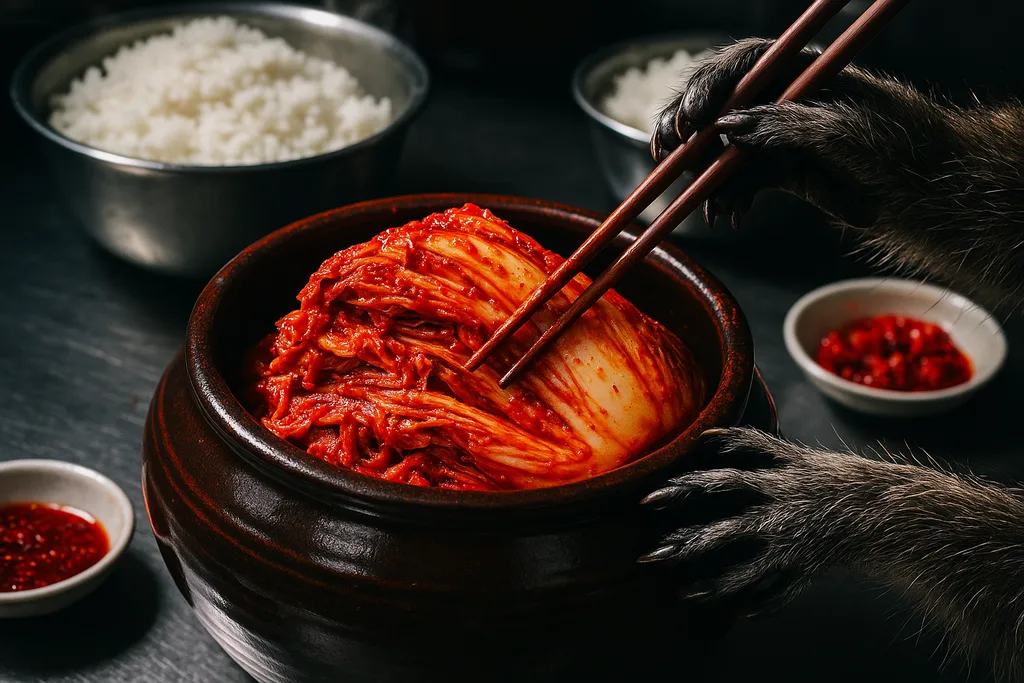
Korean Kimchi
Traditional fermented napa cabbage kimchi with gochugaru and fish sauce - a tangy, spicy introduction to Korean fermentation
Classic Sauerkraut
Transform cabbage and salt into tangy, probiotic-rich sauerkraut through the magic of lacto-fermentation

Beef Bulgogi
Sweet, savory Korean marinated beef that caramelizes beautifully on the grill