

Vietnam
Banh Mi
The perfect Vietnamese sandwich - crispy baguette loaded with savory pork, pickled vegetables, and fresh herbs
June 16, 2024
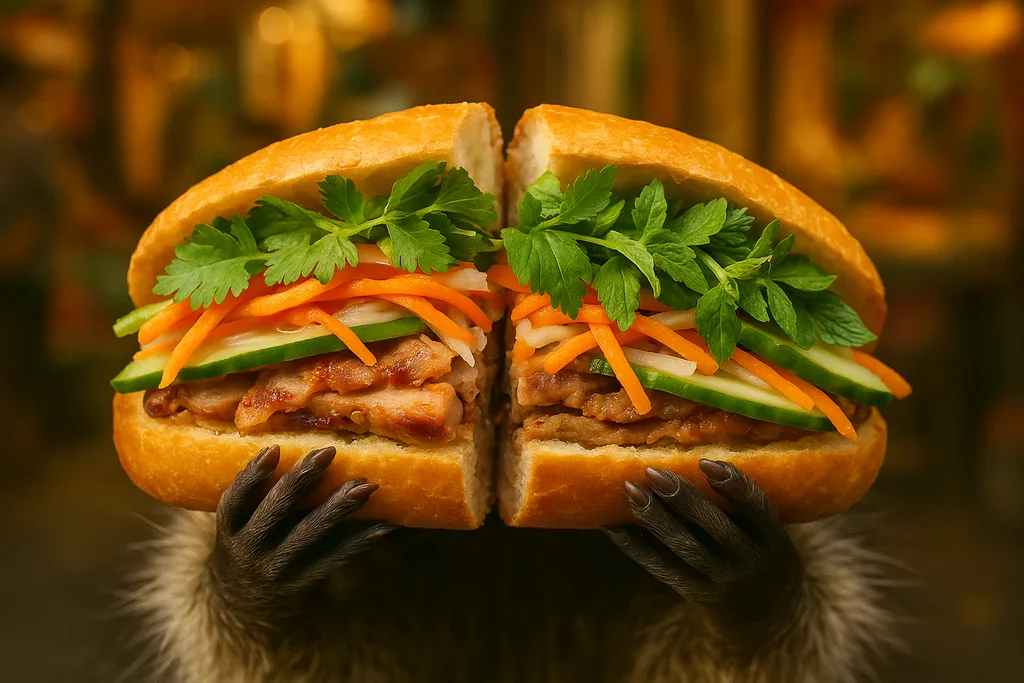
There's something magical about a proper banh mi—the way the crispy baguette gives way to tender meat, the cool crunch of pickled vegetables cutting through rich pâté, fresh herbs brightening everything up. It's Vietnamese street food at its finest, a perfect balance of French technique and Southeast Asian flavors that somehow makes complete sense.
The key is in the assembly and the contrast of textures. Every bite should give you crispy, creamy, tangy, savory, and fresh all at once. It sounds complicated, but once you get the rhythm down, it's actually pretty straightforward.
Ingredients
🥖 4 Vietnamese baguettes (or good French baguettes)
🥩 1 lb pork shoulder or pork chops, thinly sliced
🫒 2 tbsp vegetable oil
🧄 3 cloves garlic, minced
🥄 3 tbsp soy sauce
🍯 1 tbsp sugar
🌶️ 1 tsp chili garlic sauce
🧈 4 tbsp butter, softened
🍖 4 tbsp pâté (optional but traditional)
🥒 1 English cucumber, sliced thin
🌿 Fresh cilantro sprigs
🌿 Fresh mint leaves
🌶️ 2-3 jalapeño peppers, sliced thin
🥕 Vietnamese Pickled Vegetables (carrots and daikon)
🥄 Maggi seasoning sauce or soy sauce for finishing
For Chicken Variation:
🍗 1 lb chicken thighs, boneless and skinless
For Tofu Variation:
🟡 1 lb firm tofu, sliced and pan-fried
Instructions
Marinate the pork. Mix soy sauce, sugar, chili garlic sauce, and half the garlic. Toss with sliced pork and let it marinate for at least 15 minutes, longer if you have time.
Get your pickles ready. If you don't have Vietnamese Pickled Vegetables already made, start them first—they need at least an hour to develop flavor, though they're better after a day.
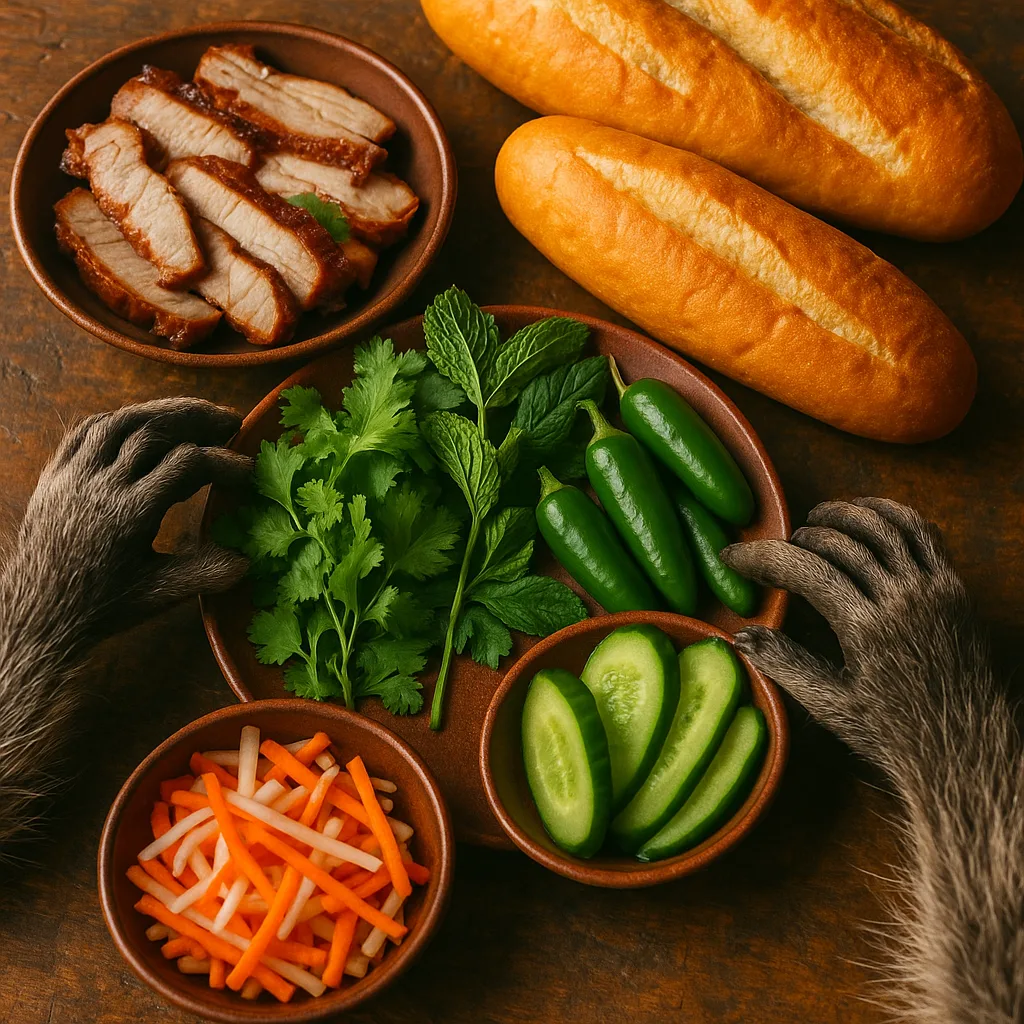
Cook the pork. Heat oil in a large skillet over medium-high heat. Add remaining garlic and cook for 30 seconds, then add the marinated pork. Stir-fry until cooked through and slightly caramelized, about 5-7 minutes. The edges should be a little crispy.
Prep the baguettes. Split each baguette lengthwise, leaving one side attached like a hinge. Pull out some of the soft interior to make room for fillings—you want a crispy shell that can hold everything without falling apart.
Toast if you want. Some people like their baguettes toasted lightly, others prefer them fresh. Your call, but if you toast, do it lightly so they don't get too hard to bite through.
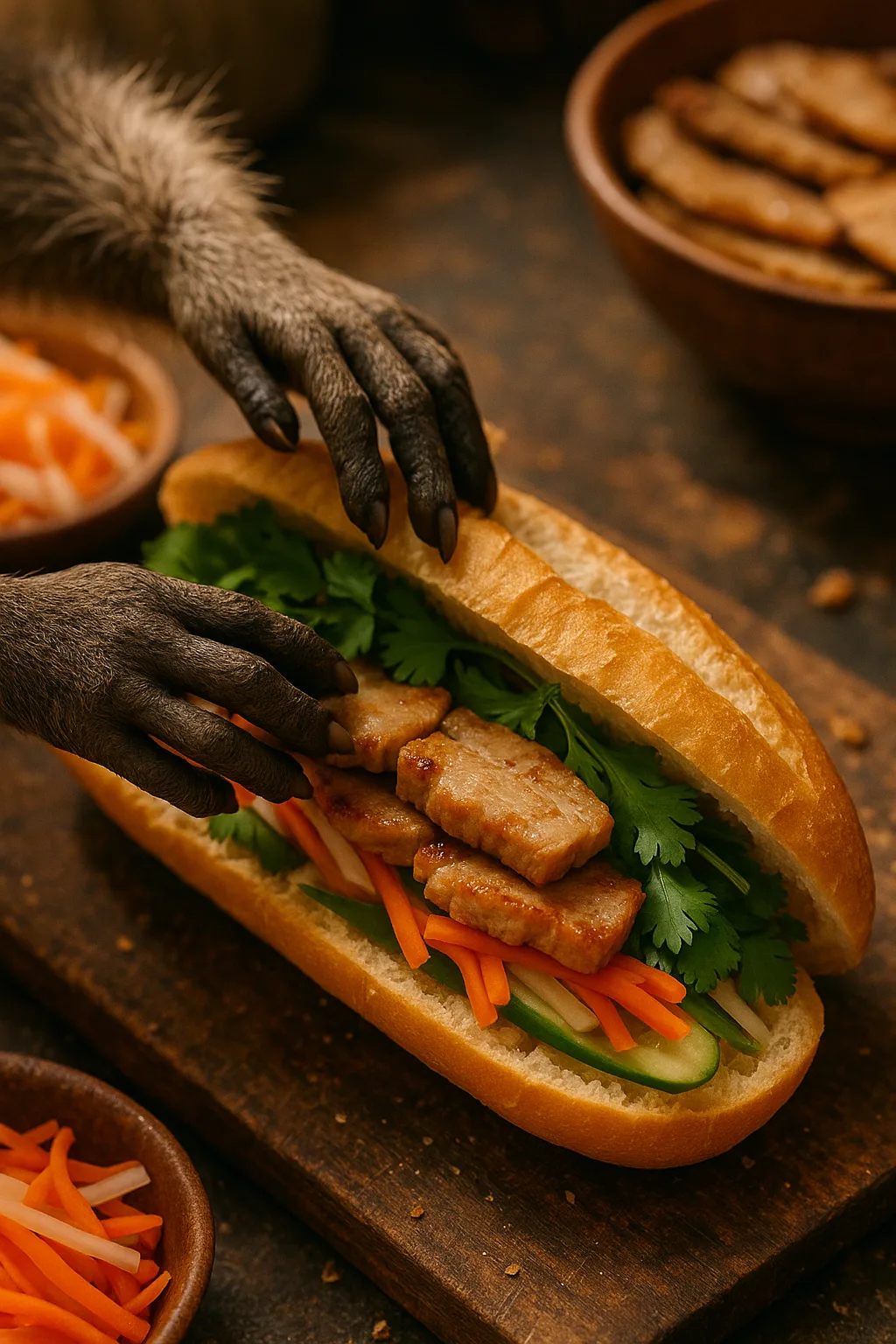
Assembly is everything. Spread butter on both sides of the baguette, then pâté on one side if using. Layer in the hot pork, then cucumber slices, pickled vegetables, fresh herbs, and jalapeño slices. Finish with a few drops of Maggi or soy sauce.
Banh Mi Assembly Timeline
flowchart LR
    subgraph Prep["Advance Prep"]
        A[Pickle Vegetables<br/>1+ hours ahead]
        B[Marinate Pork<br/>15+ min]
    end

    subgraph Cook["Cooking"]
        C[Heat Oil<br/>Medium-High]
        C --> D[Fry Garlic<br/>30 sec]
        D --> E[Cook Pork<br/>5-7 min]
        E --> F[Caramelize<br/>Edges]
    end

    subgraph Bread["Baguette Prep"]
        G[Split Baguettes<br/>Leave Hinge]
        G --> H[Remove Some<br/>Interior]
        H --> I[Optional:<br/>Light Toast]
    end

    subgraph Assembly["Layer in Order"]
        J[Spread Butter<br/>Both Sides]
        J --> K[Spread Pâté<br/>One Side]
        K --> L[Add Hot<br/>Pork]
        L --> M[Layer Cucumber]
        M --> N[Add Pickled<br/>Vegetables]
        N --> O[Fresh Herbs<br/>& Jalapeños]
        O --> P[Drizzle Maggi<br/>or Soy]
    end

    A --> N
    B --> C
    F --> L
    I --> J
    P --> Q[Serve<br/>Immediately]

    style A fill:#868E96
    style B fill:#FD7E14
    style E fill:#FF6B6B
    style J fill:#69DB7C
    style Q fill:#69DB7C
Critical Points:
- Pickled vegetables need time - start early
- Keep pork hot for temperature contrast
- Layer order matters for optimal texture
- Serve immediately for best crispiness
Serve immediately. Banh mi is best eaten right after assembly while the bread is still crispy and the pork is still warm. The contrast of temperatures and textures is what makes it special.
Variations
Banh Mi Ga: Use marinated chicken thighs instead of pork. Cook until golden and slightly charred.
Banh Mi Chay: Vegetarian version with marinated and pan-fried tofu, plus extra vegetables like avocado or roasted eggplant.
Different Proteins: Try Vietnamese meatballs, grilled beef, or even leftover roast pork. The formula works with almost any savory protein.
Cultural Notes
Banh mi is the perfect example of Vietnamese adaptability—taking the French baguette left over from colonial times and making it completely their own. The pickled vegetables, fresh herbs, and umami-rich proteins create something that's distinctly Vietnamese despite the French bread foundation.
The best banh mi spots often have their own signature touches—maybe a special pâté blend, a particular herb combination, or a secret sauce. The version here is pretty traditional, but feel free to experiment once you get the basic technique down.
Texture & Temperature Balance
flowchart LR
    subgraph Hot["Hot Components"]
        A["Fresh Pork<br/>Sizzling hot"]
        B["Toasted Baguette<br/>Warm crust"]
    end

    subgraph Cold["Cold Components"]
        C["Pickled Vegetables<br/>Tangy crunch"]
        D["Fresh Cucumber<br/>Cool crisp"]
        E["Herbs<br/>Bright & fresh"]
    end

    subgraph Rich["Rich Elements"]
        F["Butter<br/>Creamy base"]
        G["Pâté<br/>Umami depth"]
    end

    subgraph Bright["Bright Accents"]
        H["Cilantro<br/>Herbal lift"]
        I["Jalapeños<br/>Heat & crunch"]
        J["Maggi Sauce<br/>Umami finish"]
    end

    A --> K["Perfect Banh Mi<br/>Contrast Harmony"]
    B --> K
    C --> K
    D --> K
    E --> K
    F --> K
    G --> K
    H --> K
    I --> K
    J --> K

    style A fill:#FF6B6B
    style C fill:#4DABF7
    style F fill:#FD7E14
    style H fill:#69DB7C
    style K fill:#FFD700
Essential Contrasts:
- Temperature: Hot meat vs. cold vegetables
- Texture: Crispy baguette vs. soft pâté vs. crunchy pickles
- Flavor: Rich umami vs. bright acid vs. fresh herbs
- Moisture: Juicy pork vs. dry bread vs. pickled vegetables
Assembly Order Matters:
- Butter + Pâté: Creates moisture barrier
- Hot Pork: Goes directly on bread while hot
- Cool Elements: Layer to create temperature contrast
- Herbs + Sauce: Final bright finish
Make sure you have those Vietnamese Pickled Vegetables on hand—they're what really makes the sandwich sing. The tangy crunch is essential for cutting through all the rich flavors and adding that signature Vietnamese brightness.
You might also like
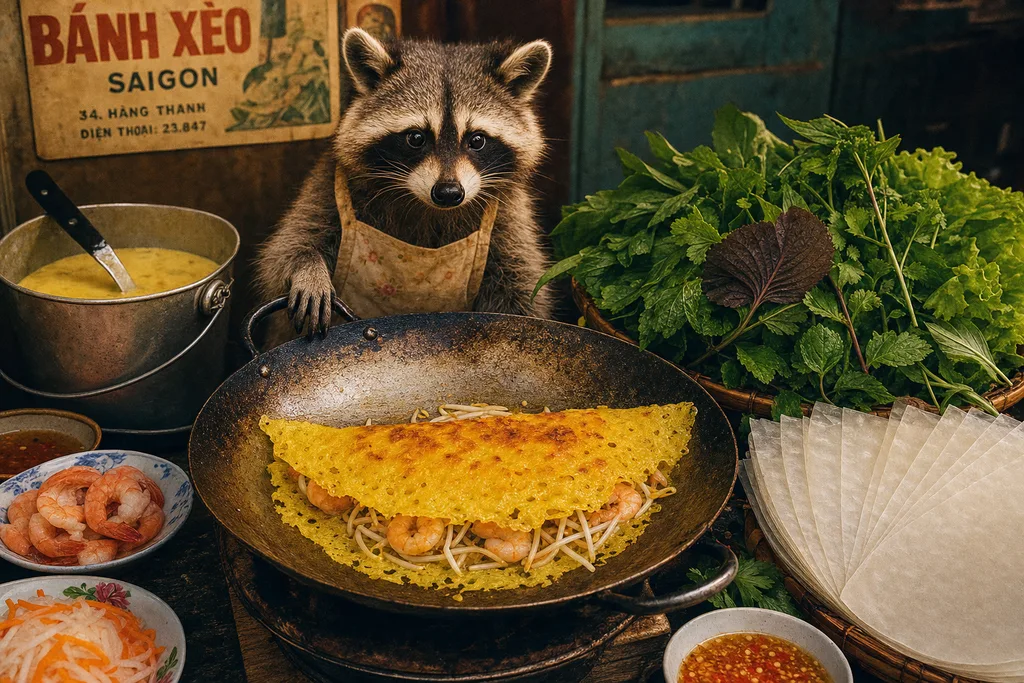
Banh Xeo
Crispy turmeric-yellow Vietnamese crepes filled with pork and shrimp, torn into lettuce with a mountain of fresh herbs and rolled in rice paper
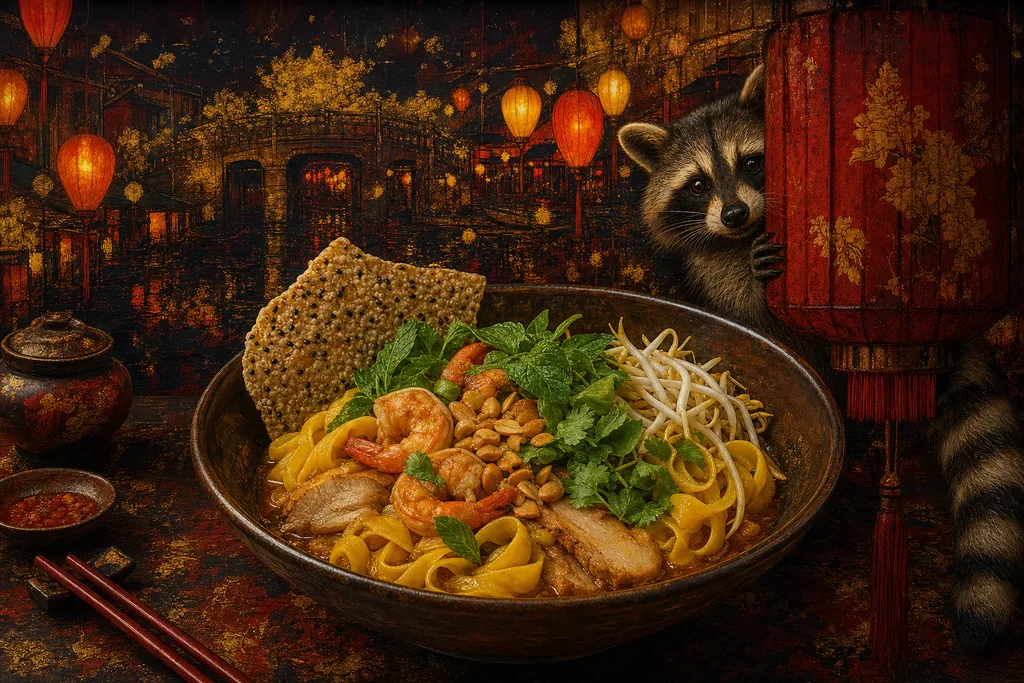
Mi Quang
Central Vietnam's signature turmeric noodle dish — chewy yellow noodles in just a splash of intense pork-and-shrimp broth, piled with herbs, peanuts, and shattered rice crackers
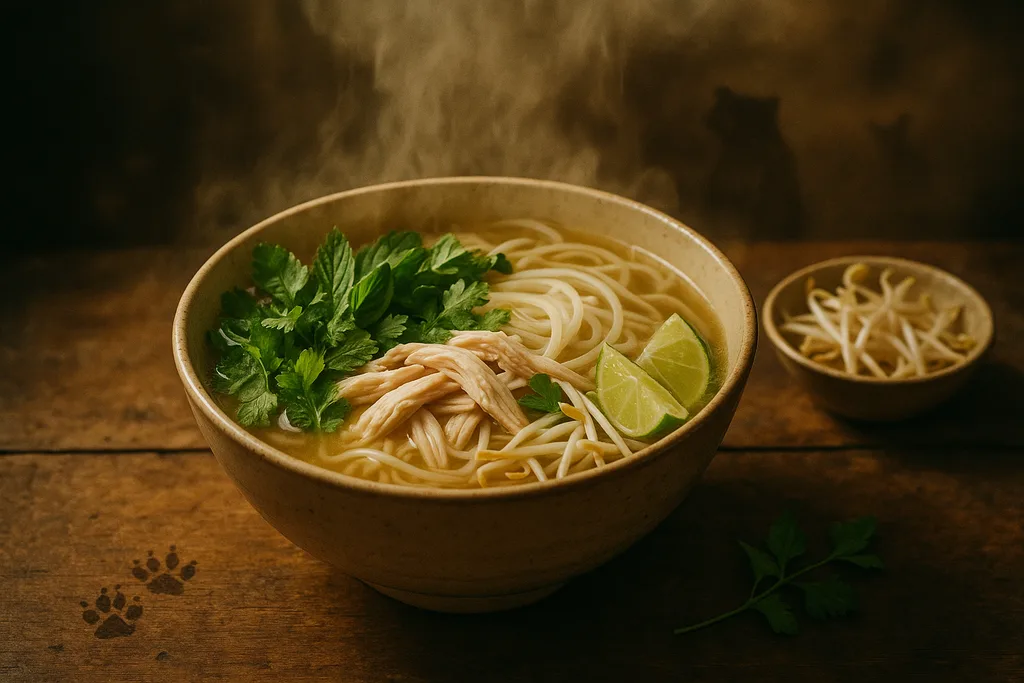
Vietnamese Pho Ga
Fragrant chicken pho with deeply aromatic broth, rice noodles, and fresh herbs
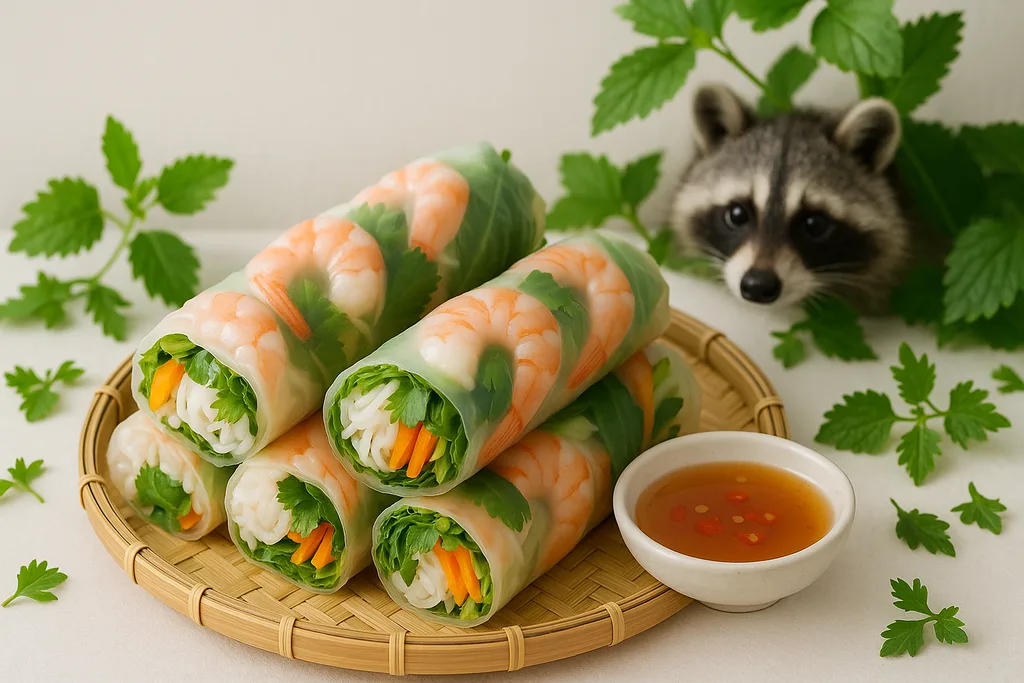
Vietnamese Spring Rolls
Fresh, translucent rolls packed with herbs, shrimp, and rice noodles—Vietnam's gift to anyone who believes food should be as beautiful as it is delicious