

Japanese
Perfect Sushi Rice
The foundation of great sushi - properly seasoned and textured rice
November 4, 2024

Sushi rice isn't just cooked rice with vinegar—it's a precise balance of texture, temperature, and seasoning that takes practice to master. The fish might be the star, but rice is the foundation that makes or breaks every piece of sushi.
Ingredients
🍚 2 cups short-grain sushi rice (koshihikari preferred)
💧 2 cups water (plus extra for rinsing)
🍶 1/4 cup rice vinegar
🍚 2 tablespoons sugar
🧂 1 teaspoon salt
🌊 Small piece of kombu (optional)
Equipment
- Rice cooker or heavy-bottomed pot with lid
- Hangiri (wooden sushi tub) or large bowl
- Shamoji (rice paddle) or wooden spoon
- Fan (uchiwa) or magazine for cooling
Instructions
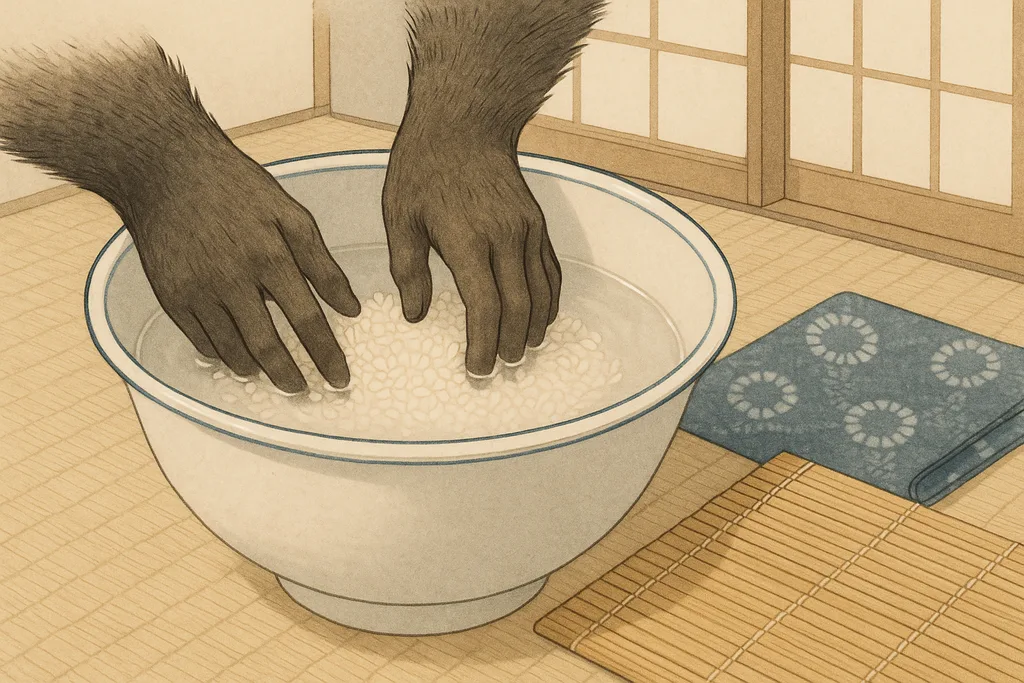
- Rinse the rice: Place rice in a bowl and cover with cold water. Gently swirl with your hand, then drain. Repeat 4-5 times until water runs clear. This removes excess starch.
-
Soak: Let rice soak in measured water for 30 minutes. This ensures even cooking.
-
Cook: Add kombu if using. In rice cooker: use sushi setting. On stove: bring to boil, reduce to low, cook 15 minutes. Turn off heat and let steam 10 minutes. DO NOT lift the lid!
-
Prepare sushi-zu: While rice cooks, gently heat vinegar, sugar, and salt until dissolved. Don't boil. Cool to room temperature.
-
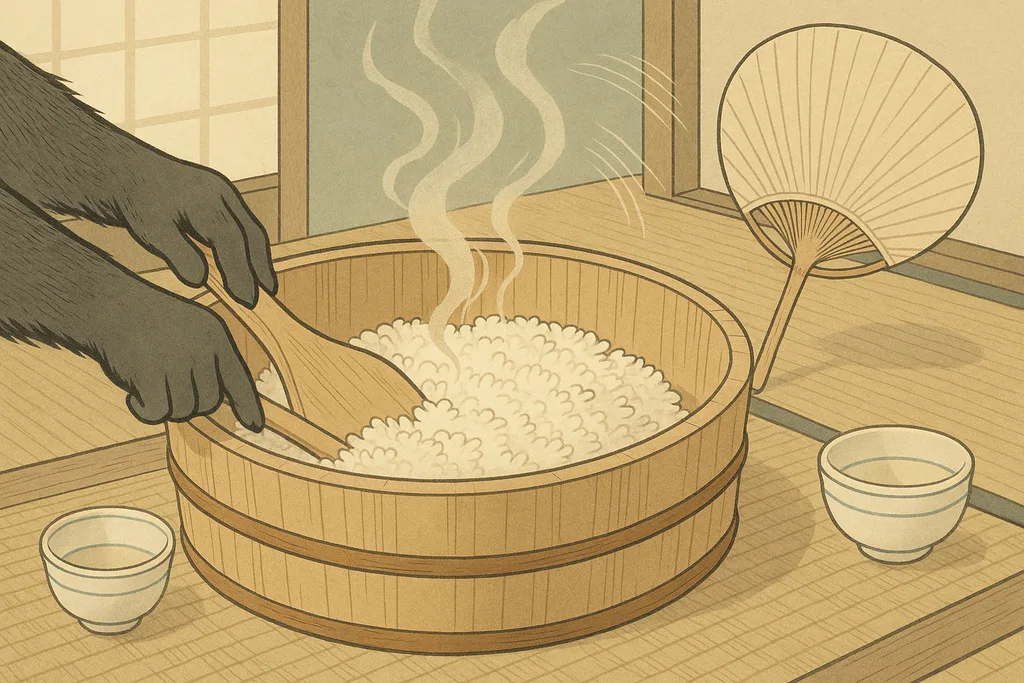
Season the rice: Transfer hot rice to hangiri or bowl. Drizzle sushi-zu over rice while gently folding with shamoji. Use cutting motions - never mash!
-
Cool quickly: Fan the rice while folding to cool it quickly. This gives the rice its signature glossy appearance. Continue until rice reaches body temperature.
Sushi Rice Precision Flow
flowchart TD
    subgraph Prep["Rice Preparation"]
        A[Rinse 4-5 Times<br/>Until Clear]
        B[Soak 30 min<br/>In Measured Water]
        C[Add Kombu<br/>Optional]
    end

    subgraph Cook["Cooking Process"]
        D[Bring to Boil]
        E[Reduce to Low<br/>15 minutes]
        F[Turn Off Heat<br/>Steam 10 min]
        G[DO NOT<br/>Lift Lid!]
    end

    subgraph Season["Seasoning"]
        H[Heat Vinegar<br/>Sugar, Salt]
        I[Dissolve<br/>Don't Boil]
        J[Cool to<br/>Room Temp]
    end

    subgraph Finish["Final Steps"]
        K[Transfer Hot Rice<br/>to Hangiri]
        L[Drizzle Sushi-zu<br/>While Folding]
        M[Cut & Fold<br/>Never Mash]
        N[Fan While<br/>Folding]
        O[Cool to<br/>Body Temp]
        P[Cover with<br/>Damp Cloth]
    end

    A --> B --> C --> D
    D --> E --> F --> G
    H --> I --> J
    G --> K
    J --> L
    K --> L --> M
    M --> N --> O --> P

    style A fill:#4DABF7
    style E fill:#868E96
    style G fill:#FF6B6B
    style M fill:#FD7E14
    style N fill:#69DB7C
    style O fill:#69DB7C
Critical Points:
- Never skip the rinsing - excess starch ruins texture
- Patience during steaming - lifting lid releases crucial moisture
- Cutting motions when mixing - preserves grain integrity
- Quick cooling creates glossy finish
- Rest: Cover with damp cloth. Use within 2 hours.
The Perfect Texture
- Each grain should be distinct but stick together
- Not mushy or dry
- Slightly warm, never cold
- Glossy appearance
- Sweet-sour balance
Common Mistakes
- Over-washing: Rice becomes waterlogged
- Under-washing: Rice is too starchy
- Too much vinegar: Overpowers delicate fish
- Stirring too roughly: Creates mush
- Using cold: Never refrigerate sushi rice
Notes
Yamamoto-san told me his apprentices spend a year just making rice before they touch fish. Now I understand why. The difference between good and perfect sushi rice is subtle but crucial.
This rice is essential for nigiri, maki, and chirashi. Once you master it, try making Salmon Nigiri at Home or explore other Japanese fundamentals in my Japan guide.
This recipe demonstrates the precision of Japanese rice techniques in my Rice around the world exploration. For contrast, compare this to Mexican Rice - both are flavored rice, but the techniques and purposes couldn't be more different. It shows how each cuisine approaches the same ingredient uniquely.
Rice Quality Timeline
timeline
    title Sushi Rice Quality Over Time
    "0:00"   : Perfect Temperature : Body warmth : Ideal texture : Peak flavor
    "0:30"   : Still Excellent : Slight cooling : Good texture : Great flavor
    "1:00"   : Good Quality : Room temp : Acceptable texture : Flavor fading
    "2:00"   : Last Call : Cool but usable : Texture changing : Use immediately
    "3:00"   : Too Cool : Below ideal : Texture compromised : Not for sushi
    "24:00"  : Never Refrigerate : Hard grains : Ruined texture : Start over
Critical Temperature Windows:
- Peak Quality: Body temperature (98°F) - grains distinct but cohesive
- Working Window: 85-95°F - still good for nigiri and maki
- Acceptable Range: 75-85°F - use for hand rolls or chirashi
- Beyond Use: Below 75°F - texture compromised, start fresh batch
Professional Tip: Yamamoto-san keeps finished rice under a damp cloth in a warm (not hot) place, using it within 2 hours maximum.
Remember: sushi rice is alive. It changes texture by the minute, which is why the best sushi is eaten immediately after preparation.
You might also like
Japanese Cucumber Sunomono
Paper-thin cucumbers in sweet rice vinegar dressing—Japan's lesson in how precision and simplicity create the perfect palate cleanser
Italian Cacio e Pepe
Three ingredients that become liquid silk—Italy's proof that the most difficult dishes are often the simplest ones
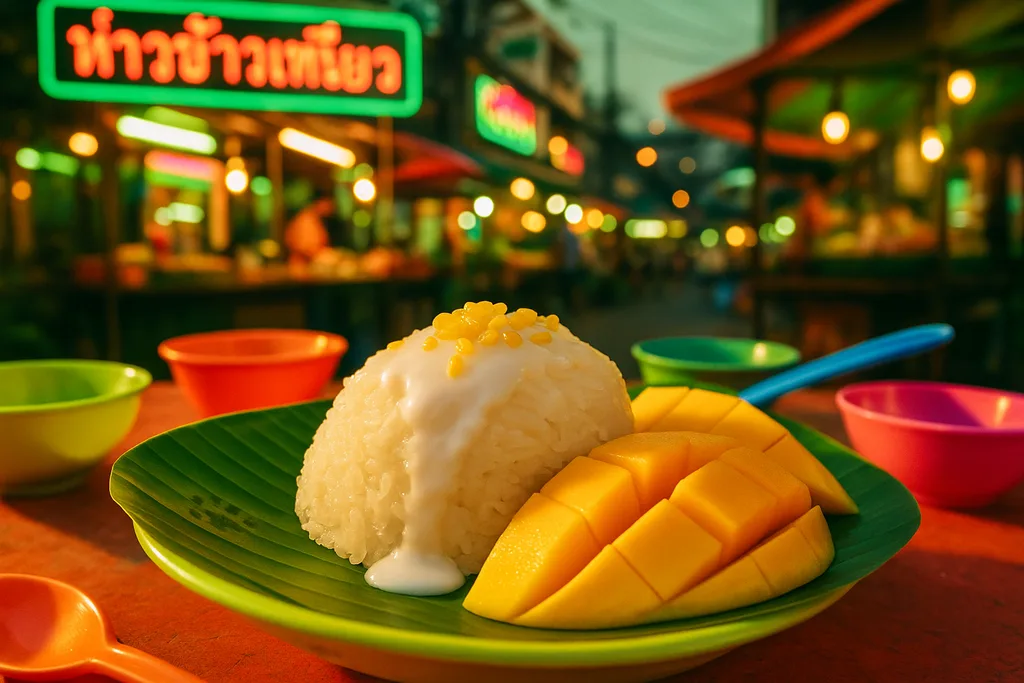
Thai Mango Sticky Rice
Sweet coconut sticky rice paired with ripe mango - Thailand's beloved dessert that tastes like summer sunshine
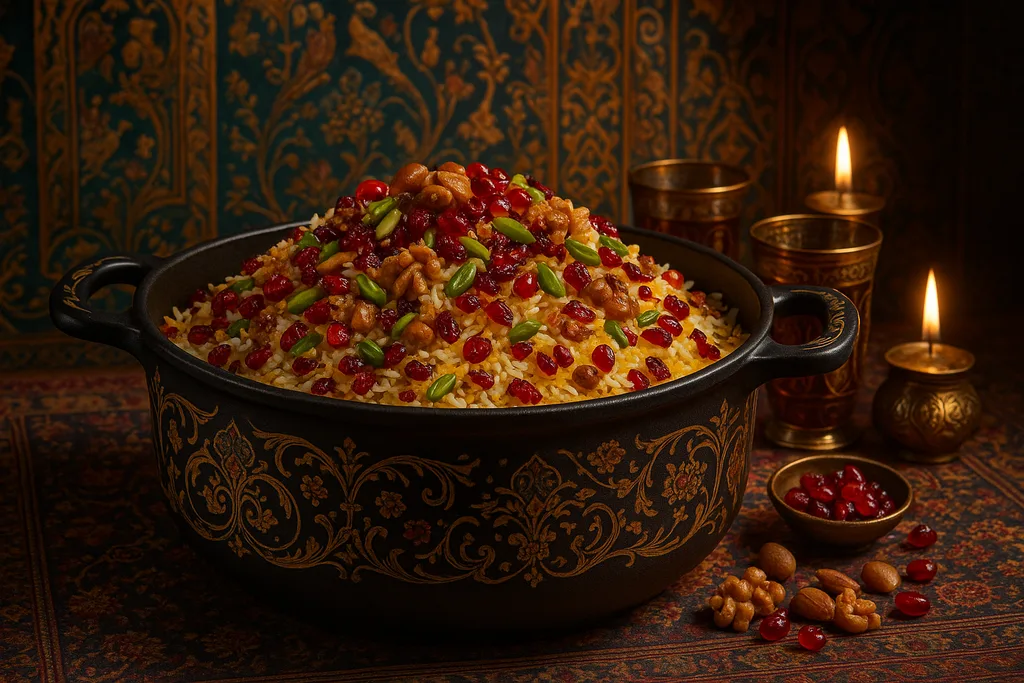
Iranian Jeweled Rice (Morasa Polo) in Cast Iron
Fragrant basmati rice studded with jewel-toned dried fruits, nuts, and spices, baked to perfection in cast iron